
Hydrogen

What is Hydrogen?

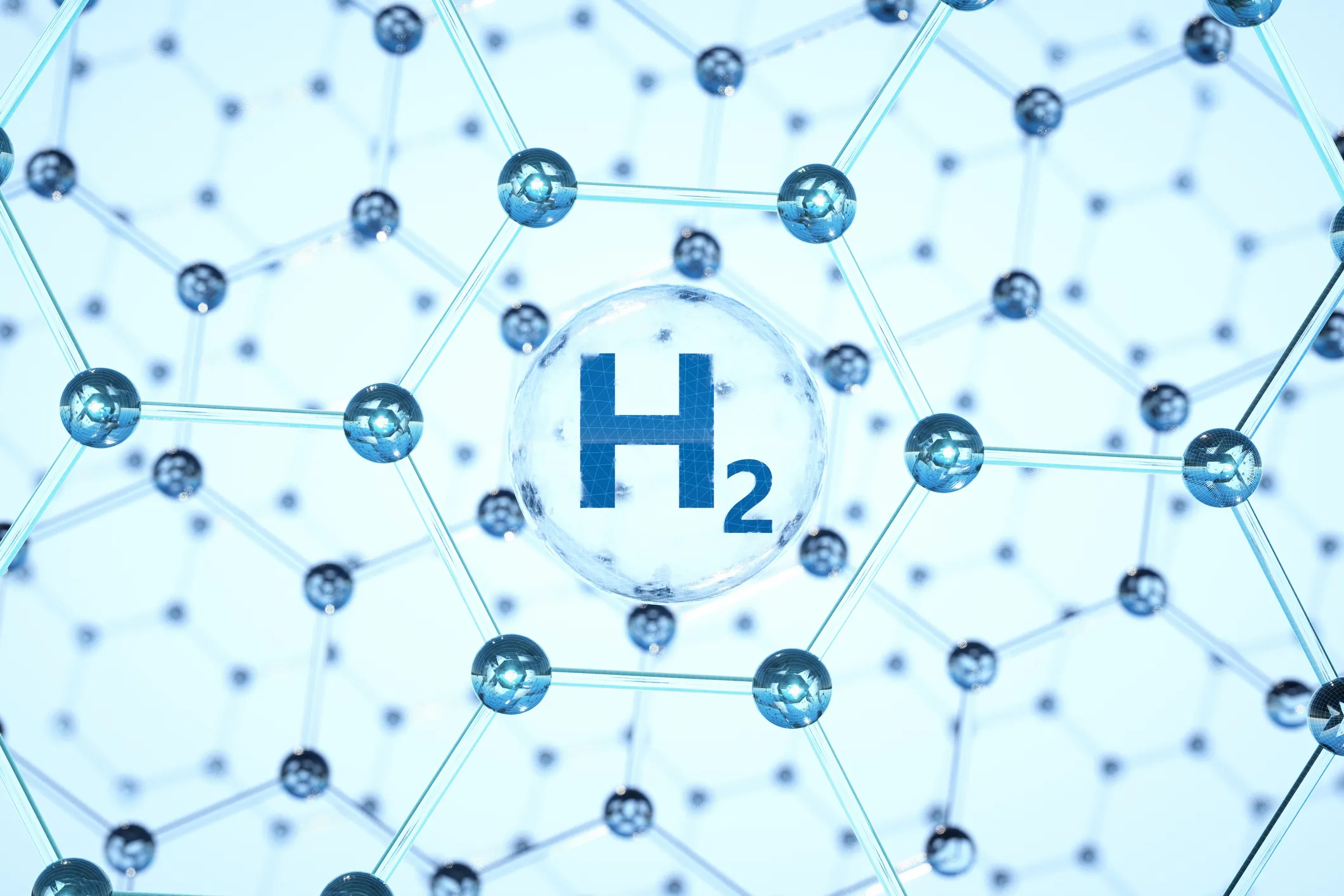
Hydrogen is the simplest and most abundant element in the universe, consisting of just one proton and one electron. It is a colorless, odorless, and highly flammable gas at room temperature.

Represented by the symbol H and atomic number 1, hydrogen is found naturally in stars, water, and many organic compounds. Though rarely found on its own on Earth, it can be produced from natural gas, water electrolysis, or biomass, making it a versatile resource.
Key Features:

Safety Guidelines:

Advantages of Hydrogen:

  • It helps reduce greenhouse gas emissions and improves air quality, supporting global climate goals.
  • Hydrogen fuel cells are highly efficient and can generate electricity, heat, and water simultaneously.
  • It is abundant in nature and can be produced from various renewable resources like water and biomass.
  • Being the lightest element, hydrogen is ideal for use in transportation, including fuel-cell vehicles and aircraft.
  • Hydrogen plays a key role in building a sustainable, secure, and low-carbon energy future for the world.
  • It can be stored for long periods and used during times when renewable energy like solar or wind is not available.
  • It suppresses fire by displacing oxygen in sensitive areas like server rooms.
  • Hydrogen is a clean energy source that produces only water vapor when used, making it an eco-friendly alternative to fossil fuels.
Scroll to Top